Debunking the Most Common Myths About Human Metabolism
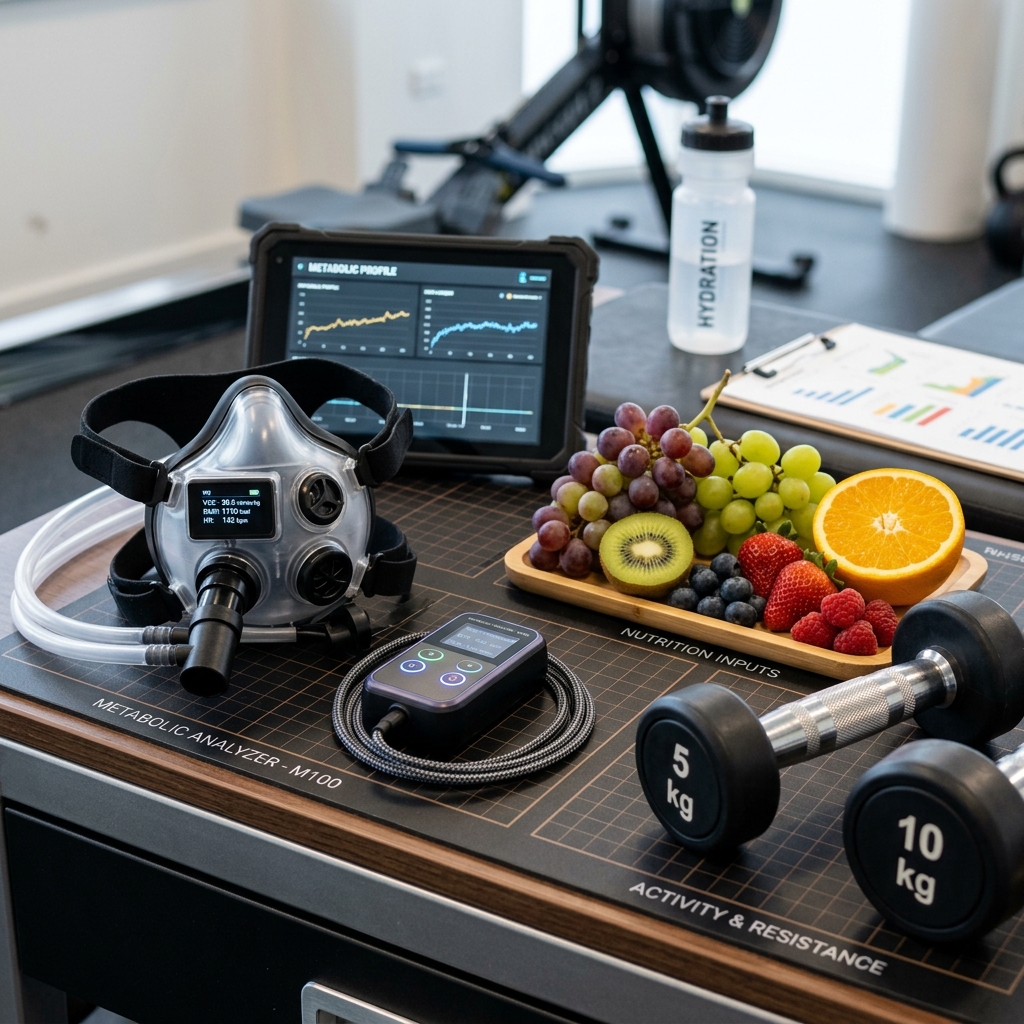
Introduction to Metabolism and Physical Excellence
When it comes to achieving optimal physical health, one of the most critical aspects is understanding the fundamental mechanics of your body. Far too often, individuals dive headfirst into extreme diets or brutal workout regimens without grasping the underlying biological principles that dictate success. In this comprehensive guide, we will explore the intricate details of human physiology and how small, calculated adjustments can yield massive long-term results. By the time you finish reading, you will possess a much deeper understanding of how to manipulate your lifestyle variables to force your body into adapting positively. Let’s break down the science, dispel the common myths, and outline actionable steps you can start implementing today.
Key Takeaways for Debunking the Most Common Myths About Human Metabolism
- Always prioritize scientific fundamentals over fitness industry fads.
- Energy balance and progressive overload are the undisputed kings of adaptation.
- Adequate recovery is when the actual physiological changes occur.
The Role of Cellular Metabolism
At the microscopic level, your body is a bustling factory of cellular metabolism. Mitochondria, often referred to as the powerhouses of the cell, are constantly converting the macronutrients you consume—specifically glucose and fatty acids—into Adenosine Triphosphate (ATP). ATP is the universal energy currency of the human body. Every muscle contraction, every heartbeat, and every electrical impulse fired by your nervous system requires ATP. When you engage in intense physical activity, your body's demand for ATP skyrockets. If the demand exceeds the supply provided by aerobic pathways (which require oxygen), your body is forced to rely on anaerobic glycolysis, leading to the rapid accumulation of lactate and hydrogen ions, which cause that familiar burning sensation in your muscles. Understanding this metabolic shifting is crucial because it dictates how you should fuel your body based on the specific type of training you are doing. Endurance athletes rely heavily on fat oxidation and aerobic glycolysis, whereas powerlifters and sprinters rely almost entirely on the phosphagen system and anaerobic glycolysis. By tailoring your nutrition to support these specific energy pathways, you can dramatically enhance your performance and recovery.
Furthermore, the efficiency of your mitochondria can actually be improved through consistent cardiovascular training. This phenomenon, known as mitochondrial biogenesis, literally means your body builds more mitochondria within the muscle cells, allowing you to produce ATP more efficiently and burn a higher percentage of fat at rest. This is why highly trained athletes can consume massive amounts of calories without gaining fat—their cellular machinery is simply burning energy at an extraordinarily high rate, even while they sleep.
Understanding Satiety and Food Quality
While the phrase "a calorie is a calorie" is technically true from a purely thermodynamic standpoint, it is incredibly misleading from a physiological and behavioral standpoint. 500 calories of grilled chicken breast and broccoli will have a vastly different metabolic and psychological impact than 500 calories of processed sugar and refined oils. This brings us to the concept of the Satiety Index—a measure of how full a specific food makes you feel relative to its caloric density.
Whole, single-ingredient foods like lean meats, potatoes, fibrous vegetables, and oats score incredibly high on the Satiety Index. They physically stretch the stomach (triggering stretch receptors that signal fullness to the brain) and take longer to digest, ensuring a slow, steady release of nutrients into the bloodstream. Conversely, ultra-processed foods are engineered by food scientists to be "hyper-palatable." They bypass the body's natural satiety signals, causing you to consume massive amounts of calories without ever feeling truly full. If your diet consists entirely of highly processed foods, staying in a caloric deficit will require superhuman willpower, as you will be constantly battling ravenous hunger. By shifting 80-90% of your diet to whole, nutrient-dense foods, you automatically regulate your appetite, making fat loss a much more comfortable and sustainable process.
Estimate Your Caloric Needs Today
Use our interactive tools to verify your metabolic rate and establish a clinical baseline.
Open Calorie CalculatorThe Principle of Progressive Overload
If there is one absolute law in the realm of physical training, it is the principle of Progressive Overload. The human body is incredibly adaptive, but it is also inherently lazy. It will not expend the energy required to build new muscle tissue or increase cardiovascular capacity unless it is absolutely forced to do so. Progressive overload simply means that you must continually increase the demands placed on your musculoskeletal system to continually make gains in muscle size, strength, and endurance.
This does not mean you simply have to add weight to the bar every single workout (which becomes impossible very quickly). Progressive overload can be achieved in several ways: increasing the load (lifting heavier weight), increasing the volume (doing more reps or sets with the same weight), increasing the frequency (training a muscle group more often), or decreasing rest times (performing the same work in less time). If you go to the gym and lift the exact same weights for the exact same number of reps for six months, your body has zero reason to change. You must force adaptation by applying a stressor slightly beyond what your body is currently capable of handling.
Frequently Asked Questions (FAQs)
1. Can I target fat loss in specific areas like my stomach?
No. The concept of "spot reduction" is a myth. Doing hundreds of crunches will strengthen your abdominal muscles, but it will not specifically burn the fat covering them. Fat loss occurs globally across your entire body in an order predetermined by your genetics. The only way to lose belly fat is to maintain a sustained caloric deficit until your body eventually utilizes the fat stores in your abdominal region.
2. How much protein do I really need to build muscle?
For individuals actively engaged in resistance training, the scientifically backed consensus is to consume between 0.8 to 1.2 grams of protein per pound of lean body weight (or roughly 1.6 to 2.2 grams per kilogram). Consuming significantly more than this provides no additional anabolic benefit and is simply oxidized for energy.
3. Is cardio necessary for fat loss?
Cardio is not strictly necessary for fat loss, as fat loss is entirely dependent on a caloric deficit. You can achieve this deficit purely through diet. However, cardio is highly recommended because it improves cardiovascular health, increases your daily energy expenditure (allowing you to eat slightly more food while losing fat), and improves your work capacity in the weight room.
Wrapping Up
True fitness is built on a foundation of scientific understanding, not guesswork. As we have explored throughout this article, manipulating your body composition safely and effectively requires a holistic approach that respects the laws of thermodynamics and biological recovery. Discard the fad diets, ignore the quick-fix marketing, and stick to the proven fundamentals. Your future self will thank you for the robust, healthy, and resilient body you are building today.
Dr. Elena Rossi
Clinical Physiologist & Nutritionist
Elena holds a Ph.D. in Exercise Physiology and has over 15 years of clinical experience optimizing metabolic pathways for professional athletes and general populations.