Overcoming Metabolic Adaptation and Weight Loss Plateaus
Introduction to Physiology and Physical Excellence
Welcome to the ultimate deep dive into human performance and health optimization. If you have ever felt frustrated by a lack of progress, plateaued lifts, or stubborn weight that refuses to shift, you are in the right place. The human body is a highly complex, adaptive machine that responds strictly to the specific stimuli placed upon it. Understanding the precise nature of these stimuli is the key to unlocking your genetic potential. In this extensive guide, we will explore the biochemical and biomechanical truths behind fitness, providing you with a robust framework that you can apply immediately to your training and nutrition protocols.
Key Takeaways for Overcoming Metabolic Adaptation and Weight Loss Plateaus
- Always prioritize scientific fundamentals over fitness industry fads.
- Energy balance and progressive overload are the undisputed kings of adaptation.
- Adequate recovery is when the actual physiological changes occur.
The Central Nervous System (CNS)
When most people think of getting stronger or faster, they think exclusively of the muscles. However, the true governor of your physical capabilities is your Central Nervous System (CNS), comprising your brain and spinal cord. Your CNS is responsible for recruiting motor units—the bundles of muscle fibers innervated by a single nerve. When a beginner starts lifting weights, the rapid increases in strength experienced in the first few weeks are almost entirely neurological, not muscular. The brain is simply learning how to fire motor units more synchronously and efficiently, a process known as neuromuscular adaptation.
Because the CNS controls everything, it is also highly susceptible to fatigue. Heavy, low-rep compound lifts (like deadlifts and squats) place a massive tax on the CNS. If you train too heavily too often, your CNS will become "fried," leading to a state of systemic overtraining. When this happens, your grip strength weakens, your resting heart rate elevates, sleep quality plummets, and your muscles simply refuse to contract with maximal force, regardless of how much motivation you have. This protective mechanism prevents you from tearing muscles off the bone. Recognizing the difference between localized muscular fatigue (which recovers in a few days) and systemic CNS fatigue (which can take weeks to recover from) is a critical skill for any advanced trainee. This is why strategic deload weeks—periods of planned reduced training volume and intensity—are absolutely essential for long-term progress.
Understanding Satiety and Food Quality
While the phrase "a calorie is a calorie" is technically true from a purely thermodynamic standpoint, it is incredibly misleading from a physiological and behavioral standpoint. 500 calories of grilled chicken breast and broccoli will have a vastly different metabolic and psychological impact than 500 calories of processed sugar and refined oils. This brings us to the concept of the Satiety Index—a measure of how full a specific food makes you feel relative to its caloric density.
Whole, single-ingredient foods like lean meats, potatoes, fibrous vegetables, and oats score incredibly high on the Satiety Index. They physically stretch the stomach (triggering stretch receptors that signal fullness to the brain) and take longer to digest, ensuring a slow, steady release of nutrients into the bloodstream. Conversely, ultra-processed foods are engineered by food scientists to be "hyper-palatable." They bypass the body's natural satiety signals, causing you to consume massive amounts of calories without ever feeling truly full. If your diet consists entirely of highly processed foods, staying in a caloric deficit will require superhuman willpower, as you will be constantly battling ravenous hunger. By shifting 80-90% of your diet to whole, nutrient-dense foods, you automatically regulate your appetite, making fat loss a much more comfortable and sustainable process.
Estimate Your Caloric Needs Today
Use our interactive tools to verify your metabolic rate and establish a clinical baseline.
Open Calorie CalculatorBiomechanics and Exercise Selection
Not all exercises are created equal. The effectiveness of a movement is dictated by biomechanics—the study of the mechanical laws relating to the movement or structure of living organisms. When selecting exercises, you must consider the resistance curve, the alignment of muscle fibers, and your individual anatomical leverages. For instance, the traditional Barbell Back Squat is a phenomenal exercise, but it may not be the optimal choice for someone with extremely long femurs and a short torso, as their anatomy forces them into a disadvantageous, lower-back-dominant position.
Understanding biomechanics allows you to train smarter, not just harder. By choosing movements that align perfectly with the natural pull of the target muscle fibers (e.g., using a slight incline for upper chest development), you can achieve a maximal stimulus with minimal joint stress. Furthermore, incorporating a mix of compound movements (exercises that involve multiple joints and large muscle groups, like deadlifts and rows) and isolation movements (exercises targeting a specific muscle, like bicep curls) ensures balanced, holistic development while mitigating the risk of overuse injuries and muscular imbalances.
Frequently Asked Questions (FAQs)
1. What is the best time of day to work out?
The "best" time to work out is the time that you can adhere to most consistently. From a purely physiological standpoint, core body temperature and nervous system readiness peak in the late afternoon, which may result in a 2-5% increase in absolute strength. However, this marginal physiological benefit is entirely negated if working out in the evening causes you to skip the gym. Consistency trumps timing.
2. Do I need to take supplements to get in shape?
No. Supplements are exactly what the name implies: supplementary to a solid diet and training program. If your diet is poor and your training is inconsistent, no supplement on earth will save you. However, certain heavily researched supplements like Creatine Monohydrate, Whey Protein, and Caffeine can provide a 5-10% performance edge once your foundational habits are locked in.
3. Why am I gaining weight when I am in a caloric deficit?
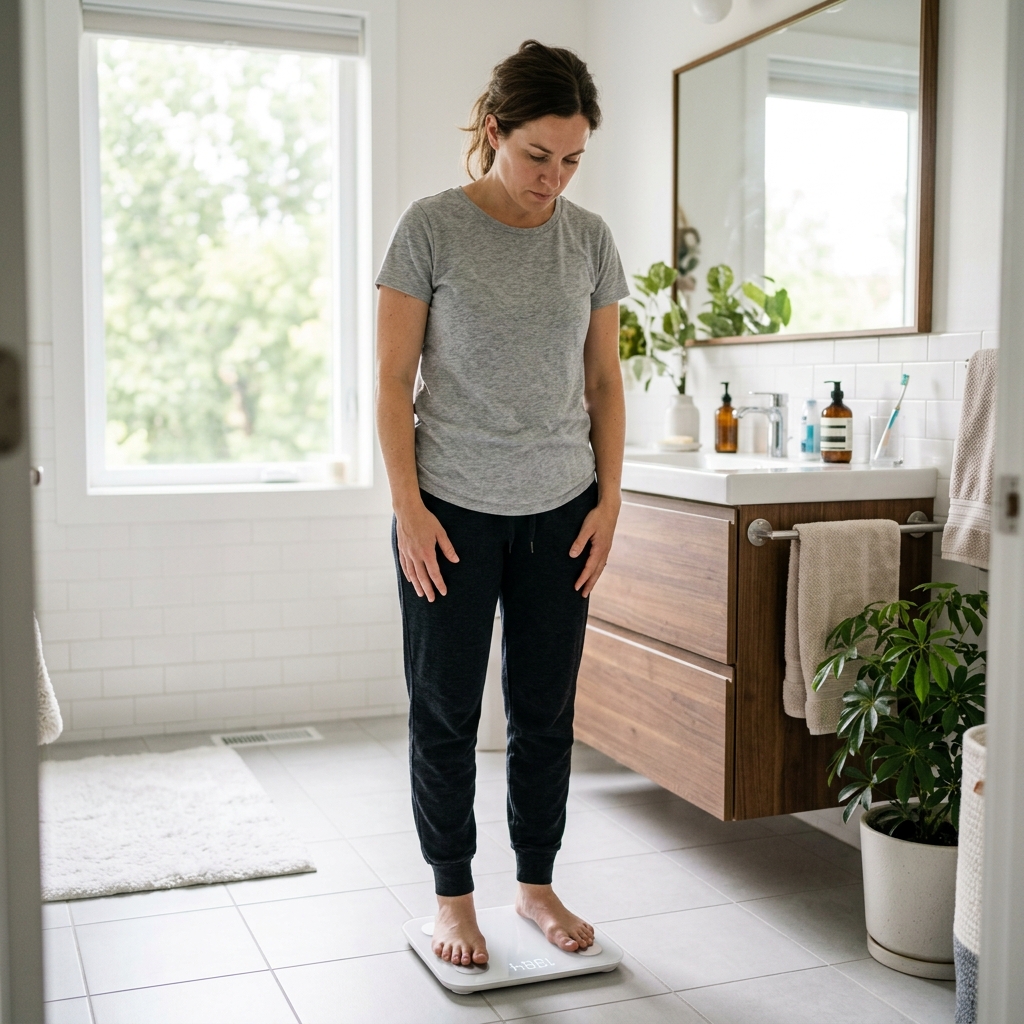
If you are truly in a caloric deficit, you are losing fat. However, the scale measures total mass, not just fat. "Weight gain" while in a deficit is almost always due to temporary water retention. Factors that cause severe water retention include high sodium intake, intense muscle soreness (which causes localized inflammation and fluid pooling), high stress (cortisol), and changes in carbohydrate intake. Stay consistent, and the scale will eventually drop.
In Conclusion
The human body is an incredible, highly adaptive mechanism. When you provide it with the correct stimuli—through intelligent training, precise nutrition, and adequate recovery—it has no choice but to improve. We hope this comprehensive breakdown has clarified the science behind the sweat. The next step is execution. Arm yourself with this knowledge, step into the gym or the kitchen with confidence, and commit to the disciplined pursuit of your absolute best self.
Dr. Elena Rossi
Clinical Physiologist & Nutritionist
Elena holds a Ph.D. in Exercise Physiology and has over 15 years of clinical experience optimizing metabolic pathways for professional athletes and general populations.