How High-Protein Diets Preserve Lean Muscle Mass During Fat Loss
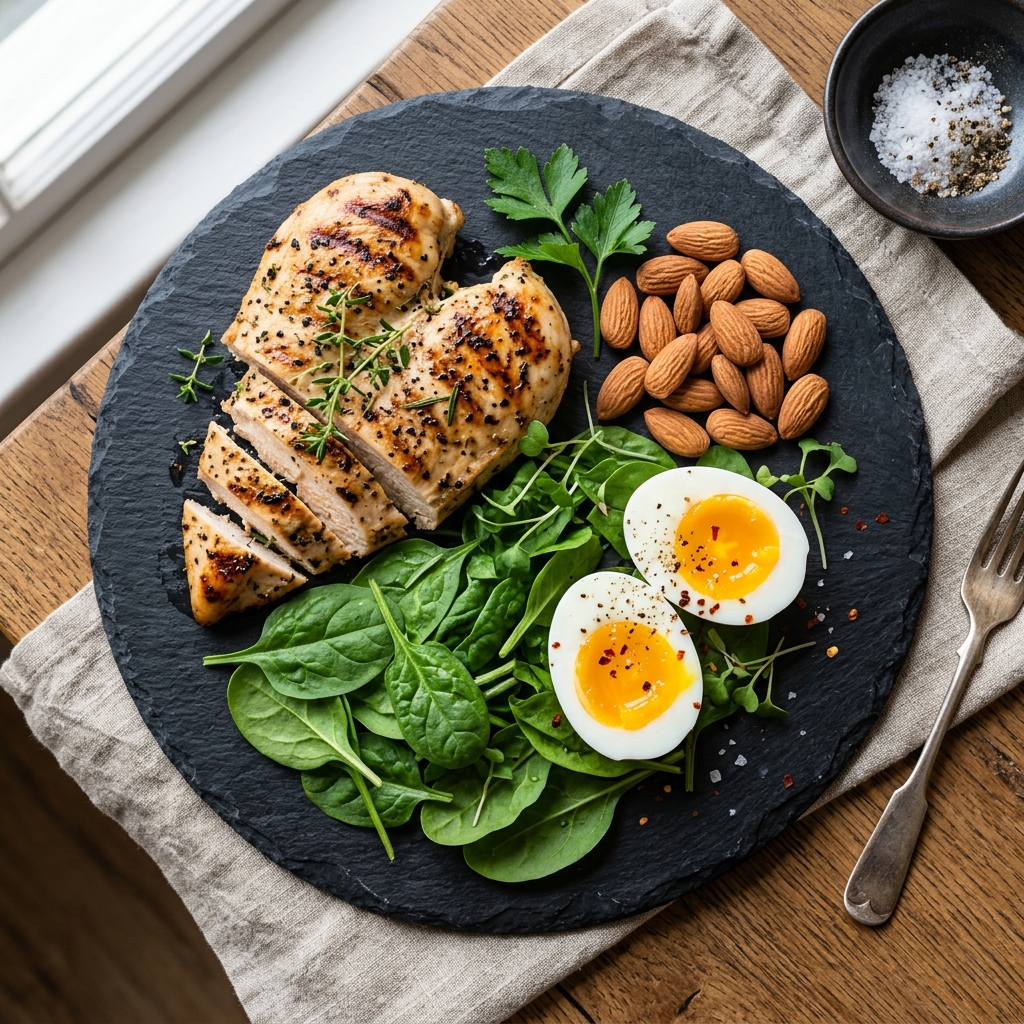
Introduction to Nutrition and Physical Excellence
Achieving peak physical conditioning is a scientific process. It relies on the absolute laws of thermodynamics, biomechanics, and human physiology. Today, we are going to explore a vital component of this scientific process. We will look past the superficial advice often found on social media and instead focus on the clinical realities of how the human body adapts, repairs, and grows. By understanding the 'why' behind the methods, you will be much better equipped to navigate the inevitable challenges and plateaus that arise during any serious health and fitness endeavor. Let’s examine the facts and build a superior foundation for your health.
Key Takeaways for How High-Protein Diets Preserve Lean Muscle Mass During Fat Loss
- Always prioritize scientific fundamentals over fitness industry fads.
- Energy balance and progressive overload are the undisputed kings of adaptation.
- Adequate recovery is when the actual physiological changes occur.
Hormonal Regulation and Adaptation
Your physical shape is ultimately a reflection of your hormonal environment. Hormones are chemical messengers that travel through your bloodstream, instructing various tissues on how to behave. Insulin, cortisol, testosterone, estrogen, thyroid hormones (T3/T4), and growth hormone all play pivotal roles in determining whether your body stores fat, burns fat, builds muscle, or breaks it down. For example, insulin is a highly anabolic storage hormone. When you consume carbohydrates, your blood sugar rises, prompting your pancreas to release insulin to shuttle that glucose into muscle and fat cells. In a healthy, insulin-sensitive individual, the majority of this glucose is stored in muscle tissue as glycogen. However, in an insulin-resistant individual (often due to chronic overeating and lack of movement), the muscle cells refuse the glucose, forcing the body to store it as visceral body fat.
On the other hand, cortisol is a catabolic stress hormone released by the adrenal glands. While acute cortisol spikes (such as during a heavy workout) are necessary for survival and adaptation, chronically elevated cortisol (from poor sleep, psychological stress, or extreme caloric deficits) is highly destructive. Chronic cortisol elevation breaks down muscle tissue for energy, suppresses immune function, and aggressively promotes the storage of fat around the abdominal region. Therefore, optimizing your health is not just about counting calories; it is equally about managing your lifestyle to promote a favorable hormonal environment—maximizing testosterone and growth hormone while keeping chronic insulin and cortisol levels under control.
Understanding Satiety and Food Quality
While the phrase "a calorie is a calorie" is technically true from a purely thermodynamic standpoint, it is incredibly misleading from a physiological and behavioral standpoint. 500 calories of grilled chicken breast and broccoli will have a vastly different metabolic and psychological impact than 500 calories of processed sugar and refined oils. This brings us to the concept of the Satiety Index—a measure of how full a specific food makes you feel relative to its caloric density.
Whole, single-ingredient foods like lean meats, potatoes, fibrous vegetables, and oats score incredibly high on the Satiety Index. They physically stretch the stomach (triggering stretch receptors that signal fullness to the brain) and take longer to digest, ensuring a slow, steady release of nutrients into the bloodstream. Conversely, ultra-processed foods are engineered by food scientists to be "hyper-palatable." They bypass the body's natural satiety signals, causing you to consume massive amounts of calories without ever feeling truly full. If your diet consists entirely of highly processed foods, staying in a caloric deficit will require superhuman willpower, as you will be constantly battling ravenous hunger. By shifting 80-90% of your diet to whole, nutrient-dense foods, you automatically regulate your appetite, making fat loss a much more comfortable and sustainable process.
Estimate Your Caloric Needs Today
Use our interactive tools to verify your metabolic rate and establish a clinical baseline.
Open Calorie CalculatorPeriodization and Fatigue Management
As you advance in your fitness journey, linear progression—simply adding 5 pounds to the bar every week—will inevitably grind to a halt. This is where Periodization becomes critical. Periodization is the logical, systematic structuring of your training program into distinct phases, or blocks, each designed to elicit a specific physiological adaptation (e.g., a hypertrophy block to build muscle, followed by a strength block to make that new muscle stronger, followed by a peaking block for a competition).
Proper periodization also inherently manages fatigue. Training is essentially the process of applying calculated damage to the body. The actual "gains" do not happen in the gym; they happen when you are recovering at home. If you train at 100% intensity every single day, you will accumulate systemic fatigue much faster than your body can clear it, eventually leading to overtraining, injury, and regression. A well-designed periodized program incorporates heavy days, light days, and scheduled deload weeks, ensuring that the ratio of stimulus to recovery remains in the optimal zone for continuous, long-term progression.
Frequently Asked Questions (FAQs)
1. What is the best time of day to work out?
The "best" time to work out is the time that you can adhere to most consistently. From a purely physiological standpoint, core body temperature and nervous system readiness peak in the late afternoon, which may result in a 2-5% increase in absolute strength. However, this marginal physiological benefit is entirely negated if working out in the evening causes you to skip the gym. Consistency trumps timing.
2. Do I need to take supplements to get in shape?
No. Supplements are exactly what the name implies: supplementary to a solid diet and training program. If your diet is poor and your training is inconsistent, no supplement on earth will save you. However, certain heavily researched supplements like Creatine Monohydrate, Whey Protein, and Caffeine can provide a 5-10% performance edge once your foundational habits are locked in.
3. Why am I gaining weight when I am in a caloric deficit?
If you are truly in a caloric deficit, you are losing fat. However, the scale measures total mass, not just fat. "Weight gain" while in a deficit is almost always due to temporary water retention. Factors that cause severe water retention include high sodium intake, intense muscle soreness (which causes localized inflammation and fluid pooling), high stress (cortisol), and changes in carbohydrate intake. Stay consistent, and the scale will eventually drop.
Wrapping Up
True fitness is built on a foundation of scientific understanding, not guesswork. As we have explored throughout this article, manipulating your body composition safely and effectively requires a holistic approach that respects the laws of thermodynamics and biological recovery. Discard the fad diets, ignore the quick-fix marketing, and stick to the proven fundamentals. Your future self will thank you for the robust, healthy, and resilient body you are building today.
Dr. Elena Rossi
Clinical Physiologist & Nutritionist
Elena holds a Ph.D. in Exercise Physiology and has over 15 years of clinical experience optimizing metabolic pathways for professional athletes and general populations.